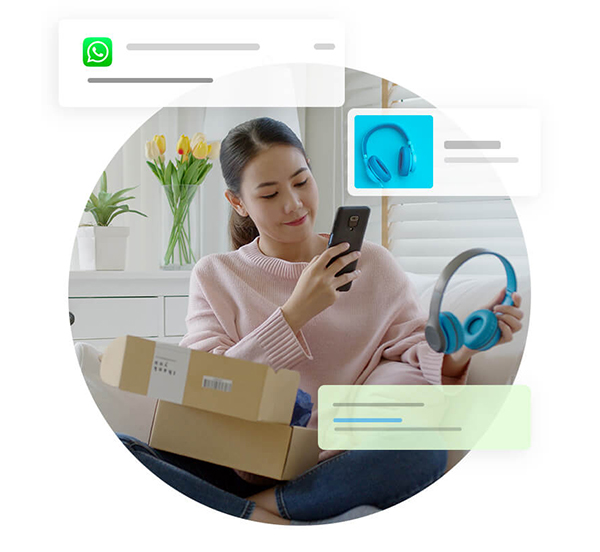
In today’s digital landscape, businesses are constantly seeking innovative ways to engage with their customers. One of the most effective tools at their disposal is the WhatsApp chatbot. With over 2 billion users worldwide, WhatsApp has become a go-to platform for communication, making it an ideal channel for businesses to interact with their audience. This guide will walk you through the process of creating a WhatsApp chatbot, from understanding the basics to implementing your own.
Understanding WhatsApp Chatbots

A WhatsApp chatbot is an automated software that runs on the WhatsApp platform, allowing businesses to communicate with their customers in a conversational manner. These chatbots can be programmed to respond to messages, provide information, and even handle transactions. They are particularly useful for customer service, sales, and marketing efforts.
Key Features of WhatsApp Chatbots
- Automated Responses: Chatbots can respond to common queries instantly, reducing the need for human intervention.
- 24/7 Availability: Unlike traditional customer service, chatbots are available around the clock, ensuring that customers can get assistance whenever they need it.
- Personalization: Chatbots can be tailored to provide personalized experiences based on user data and preferences.
- Integration with Other Tools: Many chatbots can integrate with CRM systems, payment gateways, and other business tools to streamline operations.
Steps to Create a WhatsApp Chatbot
Step 1: Define Your Chatbot’s Purpose
Before diving into the technical aspects, it’s crucial to define the purpose of your chatbot. What do you want it to achieve? Common purposes include:
– Customer Support: Answering frequently asked questions and resolving issues.
– Sales and Marketing: Promoting products, offering discounts, and generating leads.
– Appointment Scheduling: Allowing customers to book appointments or set reminders.
Step 2: Choose a Platform

There are several platforms available for creating WhatsApp chatbots, ranging from no-code solutions to custom development. Some popular options include:
– No-Code Platforms: Tools like BotPenguin allow you to create chatbots without any programming knowledge. These platforms offer drag-and-drop interfaces, pre-built templates, and integrations with other tools.
– Custom Development: For businesses with specific requirements, custom development using the WhatsApp Business API may be necessary. This approach requires more technical expertise but offers greater flexibility.
Step 3: Set Up Your WhatsApp Business Account
To use the WhatsApp Business API, you’ll need to set up a WhatsApp Business account. This involves:
1. Downloading the WhatsApp Business App: Available on both iOS and Android.
2. Registering Your Business: Provide your business details and verify your phone number.
3. Applying for API Access: Contact a WhatsApp Business Solution Provider (BSP) to apply for API access. BSPs like Twilio, MessageBird, and others can assist with this process.
Step 4: Design Your Chatbot
Once you have your WhatsApp Business account set up, it’s time to design your chatbot. This involves:
1. Creating Conversation Flows: Map out the different paths a conversation can take based on user inputs.
2. Setting Up Automated Responses: Define the responses your chatbot will give for various queries.
3. Integrating with External Systems: Connect your chatbot with CRM systems, payment gateways, and other tools to enhance functionality.
Step 5: Test Your Chatbot
Before launching your chatbot, it’s essential to test it thoroughly. This includes:
1. Internal Testing: Simulate conversations to ensure the chatbot functions as intended.
2. User Testing: Gather feedback from a small group of users to identify any issues or areas for improvement.
3. Iterating Based on Feedback: Use the feedback to refine the chatbot’s responses and improve the user experience.
Step 6: Launch and Monitor
After testing, it’s time to launch your chatbot. Monitor its performance using analytics tools provided by your chosen platform. Track metrics such as response times, user engagement, and conversion rates to optimize your chatbot continuously.
Best Practices for WhatsApp Chatbots
- Keep Conversations Natural: Use friendly, conversational language to make interactions feel more human.
- Personalize Interactions: Tailor responses based on user data to create a more engaging experience.
- Follow WhatsApp Compliance Rules: Ensure your chatbot adheres to WhatsApp’s policies to avoid restrictions.
- Regularly Update and Improve: Continuously refine your chatbot based on user feedback and changing business needs.
Conclusion
Creating a WhatsApp chatbot is an excellent way to enhance customer engagement and streamline business operations. By following the steps outlined in this guide, you can develop a chatbot that meets your specific needs and provides value to your customers. Whether you choose a no-code platform or opt for custom development, the key is to focus on creating a seamless and personalized user experience. With the right approach, your WhatsApp chatbot can become a powerful tool for driving growth and improving customer satisfaction.
About the Author