In the digital age, communication platforms like WhatsApp have become essential tools for both personal and professional interactions. However, with their widespread use comes a growing concern over the security and privacy of user data. One of the most contentious issues in recent years has been the use of unauthorized WhatsApp bulk senders and keygens, which pose significant risks to users and the integrity of the platform itself.
The concept of a “bulk WhatsApp sender” refers to software that allows users to send messages to multiple recipients at once. While this can be a useful tool for legitimate marketing purposes, the use of unauthorized versions—often distributed through dubious websites or torrent files—can lead to serious consequences. These programs are typically not developed by WhatsApp or its parent company, Meta, and often come with hidden malware, data leaks, or other malicious features.
One such example is the so-called “WhatsApp Bulk Sender v4 Keygen,” a term that has appeared in various online forums and dark web marketplaces. A keygen, short for “key generator,” is a program designed to bypass licensing restrictions on software. In the context of WhatsApp, a keygen would allow users to access premium features of the bulk sender software without paying for a legitimate license. However, these tools are not only illegal but also highly dangerous.
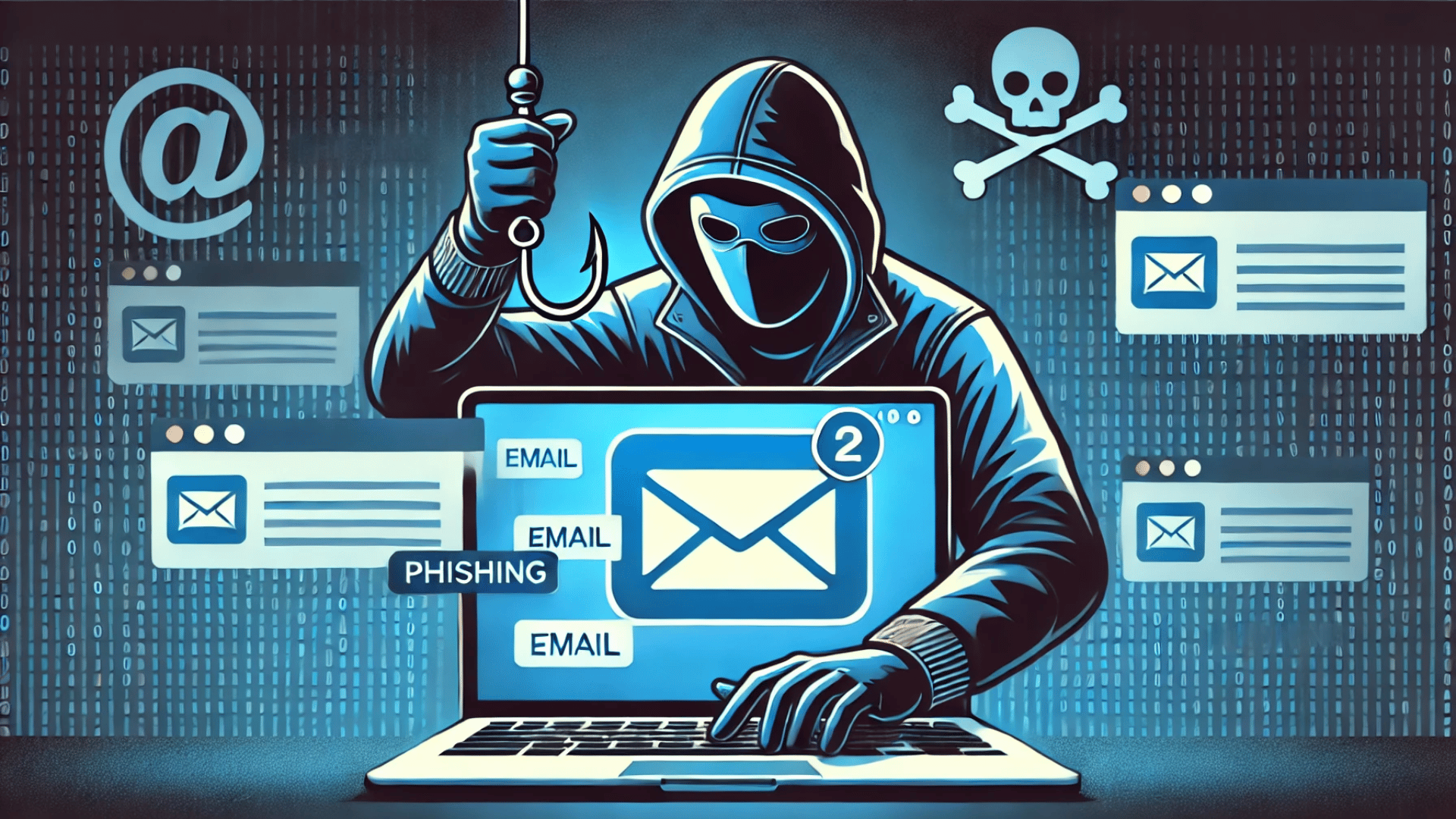
The dangers associated with using unauthorized bulk senders and keygens are numerous. First and foremost, these tools often violate WhatsApp’s Terms of Service, which explicitly prohibit the use of automated or bulk messaging. Violating these terms can result in account suspension or permanent banning from the platform. Moreover, many of these programs are designed to harvest user data, including phone numbers, contact lists, and even private messages. This can lead to identity theft, spamming, and other forms of cybercrime.
Another critical risk is the potential for malware infections. Unauthorized software is often bundled with malicious code that can compromise a user’s device, steal sensitive information, or even turn the device into part of a botnet. In some cases, these programs may also exploit vulnerabilities in the operating system or other applications, leading to further security breaches.

The use of keygens also raises ethical concerns. By circumventing the licensing model, users are essentially stealing from the developers who created the software. This not only undermines the business model of legitimate companies but also discourages innovation and development in the cybersecurity and communications industries. Furthermore, the proliferation of keygens can create a black market for pirated software, making it harder for users to distinguish between safe and unsafe downloads.
It is important to note that while some users may be tempted by the promise of free or discounted bulk messaging tools, the long-term consequences often outweigh any short-term benefits. Instead of relying on unauthorized software, users should explore legitimate alternatives that comply with WhatsApp’s policies and offer secure, reliable messaging solutions.
For businesses looking to engage in mass communication, there are several approved methods available. WhatsApp Business API, for instance, provides a legal and secure way to send messages to large groups of customers. This platform offers features such as message scheduling, customer support automation, and analytics, all while adhering to WhatsApp’s strict guidelines.
In addition to avoiding unauthorized software, users should also take steps to protect their own devices and data. This includes installing reputable antivirus software, keeping operating systems and applications up to date, and being cautious when downloading files from unknown sources. Educating oneself about the risks of phishing scams, malware, and other cyber threats is also crucial in maintaining online safety.
The issue of unauthorized WhatsApp bulk senders and keygens highlights the broader challenges of maintaining security and privacy in an increasingly connected world. As technology continues to evolve, so too do the methods used by cybercriminals to exploit vulnerabilities. It is therefore imperative for users to remain vigilant, informed, and proactive in protecting their digital assets.
In conclusion, while the allure of free or discounted bulk messaging tools may be tempting, the risks associated with using unauthorized WhatsApp bulk senders and keygens are far too great to ignore. By choosing legitimate alternatives and taking necessary precautions, users can enjoy the benefits of WhatsApp without compromising their security or privacy.
About the Author