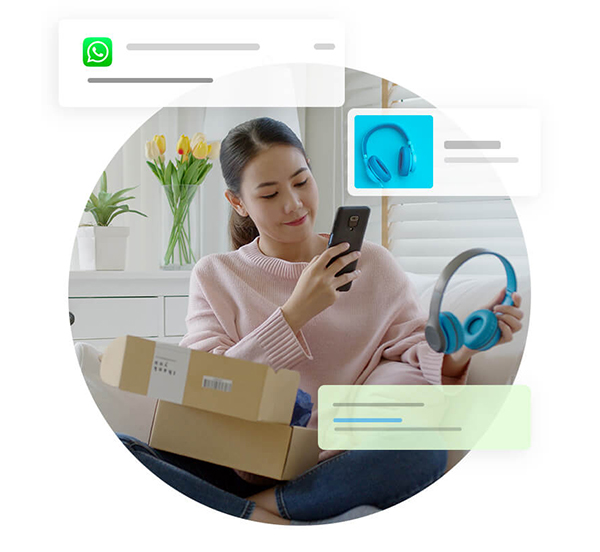
In today’s fast-paced digital world, customer support has evolved beyond traditional methods like phone calls and emails. Businesses are now turning to WhatsApp as a powerful tool for customer service due to its global reach, ease of use, and real-time communication capabilities. With over 2.78 billion active users worldwide, WhatsApp offers businesses an excellent platform to connect with customers in a more convenient and personalized manner.
Why Use WhatsApp for Customer Support?

WhatsApp has become a preferred channel for customer interactions, with 65% of consumers preferring to use messenger apps to communicate with companies. The app’s features such as instant messaging, multimedia support, and end-to-end encryption make it an ideal choice for businesses looking to improve their customer service. Additionally, the asynchronous nature of WhatsApp allows customers to respond at their own pace, making it more flexible compared to live chat or phone calls.
Key Features of WhatsApp Helpdesk Software
To fully leverage WhatsApp for customer support, businesses can use specialized helpdesk software that integrates with the WhatsApp platform. These tools offer advanced features such as:
- Automated Responses: Pre-set replies for common queries to save time and ensure consistency.
- Labels and Tags: Organize conversations into categories like “High Priority” or “General Inquiry” for better management.
- Multi-Agent Support: Allow multiple agents to handle customer inquiries simultaneously.
- CRM Integration: Sync with CRM systems like Salesforce or HubSpot for a centralized view of customer interactions.
- Analytics and Reporting: Track key metrics such as response times, first response rates, and customer satisfaction scores.
Top WhatsApp Helpdesk Software Solutions
Several platforms have emerged as leaders in providing WhatsApp-based customer support solutions. Here are some of the top options:
1. Cunnekt
Cunnekt, powered by the WhatsApp Business API, is a comprehensive helpdesk solution designed to streamline customer interactions. It offers multi-agent support, real-time analytics, and automated responses, making it ideal for growing businesses. Cunnekt also allows for proactive notifications through WhatsApp templates, ensuring customers receive timely updates on orders, appointments, and other important information.
2. VoiceSpin’s AI Messaging
VoiceSpin’s AI Messaging platform integrates WhatsApp with other communication channels like email, live chat, and social media. This omnichannel approach ensures that businesses can manage all customer interactions from a single interface. The platform also includes AI-powered reply suggestions, conversation summaries, and automation rules to improve efficiency and reduce response times.
3. Zoho Desk
Zoho Desk offers a seamless integration with WhatsApp, allowing businesses to manage customer support directly within their CRM system. It supports automated responses, ticket prioritization, and real-time analytics, making it a robust solution for enterprises. Zoho Desk also enables businesses to send proactive messages through WhatsApp templates, enhancing customer engagement.
4. HubSpot
HubSpot provides a user-friendly interface for managing customer interactions via WhatsApp. It allows businesses to create custom workflows, set up automated responses, and track customer satisfaction metrics. HubSpot’s integration with other tools like Salesforce and Google Workspace makes it a versatile option for businesses of all sizes.
Best Practices for Using WhatsApp for Customer Support

To maximize the benefits of WhatsApp for customer support, businesses should follow these best practices:
- Set Up a WhatsApp Business Account: Start by creating a business profile and setting up quick replies for common queries.
- Use Labels and Tags: Organize conversations to prioritize urgent issues and improve team efficiency.
- Integrate with CRM Systems: Sync WhatsApp with your CRM to access customer data and provide personalized support.
- Leverage AI Chatbots: Automate responses to handle repetitive tasks and free up human agents for complex issues.
- Send Proactive Notifications: Use WhatsApp templates to send order updates, appointment reminders, and other relevant information to customers.
Real-Life Examples
Several companies have successfully implemented WhatsApp for customer support. For instance, KLM Royal Dutch Airlines uses WhatsApp to provide booking confirmations, boarding passes, and flight updates to its customers. The airline receives thousands of service requests through WhatsApp each week, demonstrating the app’s effectiveness as a customer support channel.
Another example is a retail company that uses Cunnekt to manage customer inquiries and send automated notifications about order status and delivery updates. This has significantly improved customer satisfaction and reduced response times.
Conclusion
WhatsApp has become an essential tool for modern customer support, offering businesses a cost-effective and efficient way to engage with customers. By using WhatsApp helpdesk software, businesses can automate responses, organize conversations, and integrate with CRM systems to deliver a seamless customer experience. As more companies adopt this approach, the future of customer support looks increasingly digital and interconnected.
About the Author