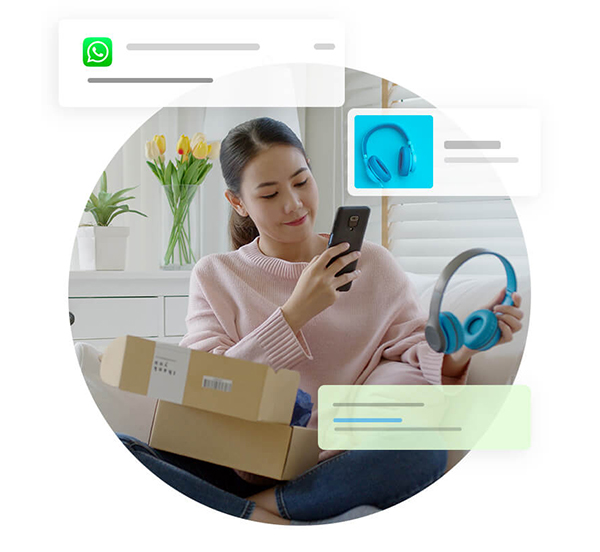
In today’s fast-paced digital world, customer engagement is the cornerstone of any successful eCommerce business. With over 2 billion active users, WhatsApp has emerged as a powerful platform for businesses to connect with their customers in real-time. The integration of WhatsApp chatbots into eCommerce strategies is revolutionizing how businesses interact with their audience, offering personalized, efficient, and seamless experiences. This article explores how to effectively use an eCommerce WhatsApp chatbot to boost customer engagement.
Why WhatsApp Chatbots Matter for eCommerce
The importance of customer experience in the eCommerce industry cannot be overstated. Research shows that increasing customer retention by just 5% can boost profits by up to 95%. A WhatsApp chatbot for eCommerce is a game-changer in this regard. It automates customer interactions, reduces overhead costs, and provides instant support, all while enhancing the overall shopping experience.
Key Benefits of Using a WhatsApp Chatbot for eCommerce

-
Real-Time Communication: WhatsApp chatbots enable businesses to respond to customer inquiries instantly, ensuring that no query goes unanswered. This real-time interaction builds trust and improves customer satisfaction.
-
Personalized Experience: By leveraging customer data, chatbots can offer tailored recommendations and support, creating a more engaging and personalized shopping journey.
-
24/7 Availability: Unlike traditional customer service models, WhatsApp chatbots are available around the clock, providing uninterrupted support to customers at any time of day.
-
Cost-Effective: Automating routine tasks such as answering FAQs and processing orders reduces the need for extensive customer support teams, leading to significant cost savings.
-
Enhanced Brand Loyalty: Consistent and efficient communication through WhatsApp chatbots fosters a sense of reliability and trust, encouraging repeat business and long-term customer relationships.
How to Implement a WhatsApp Chatbot for Your eCommerce Business
Step 1: Define Your Objectives
Before integrating a WhatsApp chatbot, it’s essential to outline your goals. Are you looking to improve customer support, automate order processing, or enhance marketing efforts? Defining clear objectives will help you choose the right tools and strategies.
Step 2: Choose the Right Platform
Selecting the appropriate chatbot platform is crucial. Options like Haptik, Dialogflow, and Twilio provide robust features for building and managing chatbots. Ensure the platform supports the WhatsApp Business API and offers scalability for future growth.
Step 3: Design User-Friendly Interactions
Creating intuitive and user-friendly interactions is key to a successful chatbot. Use flowcharts to map out common customer journeys and ensure that the chatbot can guide users through complex processes seamlessly.
Step 4: Integrate with CRM and Other Systems

To maximize the effectiveness of your chatbot, integrate it with your existing CRM and other business systems. This allows for a unified view of customer data, enabling more personalized interactions and efficient support.
Step 5: Monitor and Optimize
Regularly analyze the performance of your chatbot using analytics tools. Track metrics such as response times, conversion rates, and customer satisfaction to identify areas for improvement. Continuously refine your chatbot based on user feedback and data insights.
Best Practices for Using a WhatsApp Chatbot
-
Maintain Transparency: Clearly communicate that customers are interacting with a chatbot, not a human. This sets realistic expectations and prevents confusion.
-
Redirect to Human Agents When Needed: While chatbots can handle many queries, there are instances where human intervention is necessary. Ensure that customers can easily transition to a live agent when required.
-
Protect Customer Privacy: Respect customer privacy by not collecting unnecessary information. Ensure that all data is handled securely and in compliance with relevant regulations.
-
Leverage Multimedia: Utilize WhatsApp’s multimedia capabilities to enhance customer interactions. Share images, videos, and documents to provide a richer and more engaging experience.
-
Offer Multilingual Support: If your target audience is diverse, consider implementing multilingual support to cater to different language preferences and improve accessibility.
Real-World Examples of Successful Implementation
Several businesses have successfully integrated WhatsApp chatbots into their eCommerce strategies. For instance, MakeMyTrip uses WhatsApp to provide real-time updates on PNR status and ticket confirmations. BookMyShow leverages WhatsApp for ticket confirmations, while Pandora offers one-on-one customer service through chatbots.
Conclusion
In conclusion, an eCommerce WhatsApp chatbot is a powerful tool for boosting customer engagement and driving business growth. By offering real-time support, personalized experiences, and 24/7 availability, chatbots can significantly enhance the customer journey. As the eCommerce landscape continues to evolve, integrating a WhatsApp chatbot is not just beneficial but essential for staying competitive.
By following the steps outlined above and adopting best practices, businesses can harness the full potential of WhatsApp chatbots to create meaningful connections with their customers and achieve long-term success.
About the Author