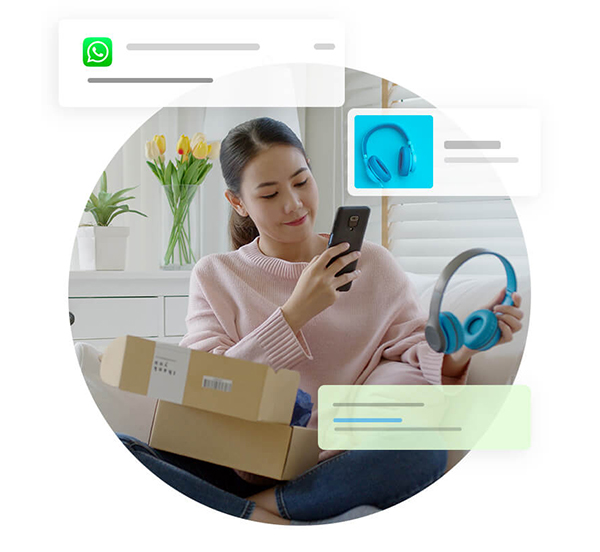
In today’s digital age, communication has become more streamlined than ever. With the rise of messaging apps like WhatsApp, businesses and individuals alike are constantly looking for ways to reach out to their audiences efficiently. One question that often comes up is: Can we send bulk messages from WhatsApp? The answer is yes—but with some important caveats.
WhatsApp, known for its end-to-end encryption and user-friendly interface, allows users to communicate with friends, family, and even customers. However, when it comes to sending messages in bulk, there are limitations and best practices to consider. Let’s break down what you need to know about sending bulk messages on WhatsApp.
Understanding the Limitations
WhatsApp does not support traditional “bulk messaging” like email marketing platforms. This is due to its focus on privacy and preventing spam. However, there are several methods to send messages to multiple contacts or groups:
- Forwarding Messages: A message marked as “Forwarded many times” can be sent to only one person at a time. While this method is limited—users can only forward a message to five contacts at once—it’s still useful for small-scale outreach.
- Broadcast Lists: Users can create a broadcast list of up to 256 contacts. This is ideal for sending messages to a large group without creating a public group. To create a broadcast list:
- Open WhatsApp.
- Tap the three vertical dots menu (Android) or “New Broadcast” (iPhone).
-
Select up to 256 contacts and send your message.
-
Groups and Communities: WhatsApp groups allow up to 2048 participants, making them perfect for larger audiences. Communities, introduced in recent updates, offer additional features like announcement channels and admin controls, making them ideal for businesses and organizations.
-
WhatsApp Business API: For businesses looking to scale, the WhatsApp Business API offers advanced capabilities, including sending bulk messages to more than 256 contacts. This requires a third-party solution provider like Interakt, which helps manage the integration and compliance.
Best Practices for Sending Bulk Messages

While WhatsApp provides tools for reaching multiple contacts, it’s crucial to follow best practices to avoid being flagged as spam or violating WhatsApp’s terms of service:
- Respect User Preferences: Always ensure that recipients have opted in to receive messages. Unsolicited messages can lead to complaints and account restrictions.
- Use Appropriate Tools: For larger campaigns, consider using the WhatsApp Business API or third-party services designed for bulk messaging. These tools help manage compliance and deliverability.
- Avoid Overuse of Forwarded Messages: Sending messages that are marked as “Forwarded many times” can trigger WhatsApp’s anti-spam mechanisms. It’s better to use direct messaging or broadcast lists instead.
- Maintain Brand Consistency: If you’re a business, ensure that your messages are professional, relevant, and aligned with your brand voice.
The Role of WhatsApp Business
For businesses, WhatsApp is more than just a personal messaging app. The WhatsApp Business app and API provide powerful tools for customer engagement, support, and marketing. These features include:
- Automated Responses: Set up automated replies to common queries.
- Catalogs: Showcase products or services directly within the app.
- Bulk Messaging: Send personalized messages to large audiences while maintaining compliance.
However, it’s important to note that the WhatsApp Business API is typically reserved for medium to large businesses due to the setup and maintenance involved.
Conclusion
In summary, while WhatsApp does not support traditional bulk messaging, there are several effective alternatives available. Whether you’re sending a quick update to a group, sharing news with a broadcast list, or managing a large audience through the WhatsApp Business API, there are options to suit your needs.
As the platform continues to evolve, so too will the tools available for sending messages to multiple recipients. Staying informed and using the right tools can help you maximize the potential of WhatsApp while maintaining a positive user experience.
About the Author